
By Trish McClellan
CORDELE, Ga. – When Marty Pickron suffered a stroke in 2023, doctors discovered something even more alarming — his kidneys were functioning at only 18 percent.
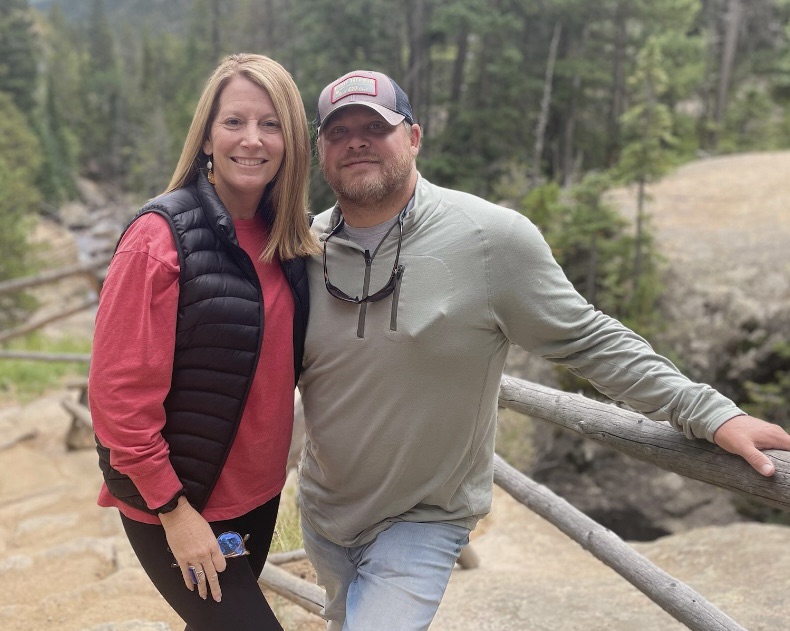
The diagnosis of Stage 4 kidney failure changed life almost overnight for Marty, 47, and his wife, Christy, of Cordele.
“I had no idea I was having kidney issues,” Marty said. “It was only because of the stroke that this was discovered.”
What followed was a dramatic shift in the couple’s day-to-day life. Travel and activities they once enjoyed were replaced by medical appointments, treatments, and long hours at home connected to a dialysis machine.
Marty now undergoes home dialysis treatments for 10 hours each day.
The physical and emotional toll has been significant. Marty, once outgoing and constantly on the go, now struggles with anxiety and spends much of his time at home.
After 29 years in education, Christy plans to retire at the end of the current school year so she can devote more time to helping her husband navigate the road ahead.
Marty is currently listed for a kidney transplant through Mayo Clinic and Piedmont Atlanta Hospital.
However, complications involving his parathyroid temporarily paused his active status on the transplant list.
Doctors recently discovered nodules causing excessive calcium production, and Marty is scheduled to undergo surgery May 12 in hopes of being reinstated for transplant eligibility.
If a compatible deceased-donor kidney becomes available, the couple would have only a few hours to reach the hospital before the opportunity passes. Because of that uncertainty, Marty and Christy hope a living donor may eventually step forward.
The couple said one of the biggest misconceptions about living kidney donation is the belief that testing is expensive.
“All costs relating to medical testing are paid by our insurance,” Marty said. “There is absolutely no cost to the donor.”
The screening process begins with a review of a potential donor’s medical history, medications, and overall health. Marty said some people may still qualify even if they have conditions such as high blood pressure controlled by medication.
Additional testing may include blood work, CT scans, sonograms, EKGs, X-rays, and tissue matching to determine compatibility.
While becoming a living donor is a major decision, transplant programs also provide protections for donors.
Should a donor later experience kidney failure themselves, they receive priority consideration on the national transplant list.
For Marty and Christy, sharing their story comes down to one hope — finding someone willing to help give Marty a second chance at life.
Anyone interested in learning more about becoming a living donor for Marty may contact his Living Donor Coordinator at 404-605-4128. Potential donors can also begin the screening process online at https://piedmont.donorscreen.org/register/now.
Marty is listed through the transplant program as Samuel Lamar Pickron III.






Leave a Reply