
By Jennifer Greene Sullivan
Have you ever noticed how quickly we sort people into categories?
Last week was Spring Break for Liam and the Bleckley County students, so we spent the week camping at Crooked River State Park with two couples from church. When we arrived, we discovered a sweet surprise: one couple had brought their granddaughter, who is in Liam’s grade. The kids played cards, rode bikes, and filled the week with laughter. Meanwhile, the adults settled into long conversations, shared meals, and a slower rhythm that invited us to pay attention.
Somewhere between those meals and moments of fellowship, my friends taught me how to play canasta. They told me I learned quickly, which gave me confidence at the table. However, after that first round, I did not win another game. Even so, I enjoyed learning something new and sharing that time with people I love.
As I sat at our camper dinette, I watched the game unfold and noticed how intentionally my friends built their hands. They laid down what they called “clean” and “dirty” canastas, each one moving them closer to winning. They knew exactly what they needed if the round ended within minutes. Their focus and strategy revealed how carefully they played the game.
While I watched, a thought settled into my spirit: how often do we treat people the same way? We observe, evaluate, and assign value based on what we see, and without realizing it, we place people into categories we were never meant to create.
Jesus addressed this very tendency in the parable of the wheat and the tares.“Let both grow together until the harvest…” (Matthew 13:30, ESV). The servants wanted to separate the weeds from the wheat immediately because they believed they could identify the difference. However, the Master told them to wait because premature judgment could harm what was truly good. His wisdom still speaks to us today.
We often believe we see clearly, but we only see part of the story. We notice behavior, reactions, and patterns, yet we cannot see the heart. Scripture reminds us of this truth: “For the Lord sees not as man sees: man looks on the outward appearance, but the Lord looks on the heart,” (1 Samuel 16:7, ESV). Only God holds the authority to judge what lies within a person.
Even so, we often keep score in ways God never assigned to us. We measure actions, categorize mistakes, and quietly decide where people belong. These judgments shape how we treat others and how we view ourselves. Unfortunately, over time, those categories build walls instead of bridges.
Jesus calls us to something higher. He calls us to love with patience, extend grace, and trust that He continues to work in ways we cannot see. “Judge not, that you be not judged,” (Matthew 7:1, ESV). He does not call us to ignore truth, but He does call us to walk in humility and in mercy.
Maybe today you feel like the “dirty” pile, marked by mistakes or seasons you wish you could undo. Or maybe, if you are honest, you recognize that you have been the one doing the sorting. Either way, God is not finished. His work continues, the field still grows, and the harvest remains His.
Before we left the campground, our dear friends gathered with us to pray. We joined hands, bowed our heads, and sought the Father for protection and for thanksgiving for godly fellowship. We shared a sweet moment as we loved one another and loved God together. In the still, warm morning air in St. Mary’s, Georgia, Jesus saw us as we sought Him. We waited for growth, for forward movement, and for Him to show up.
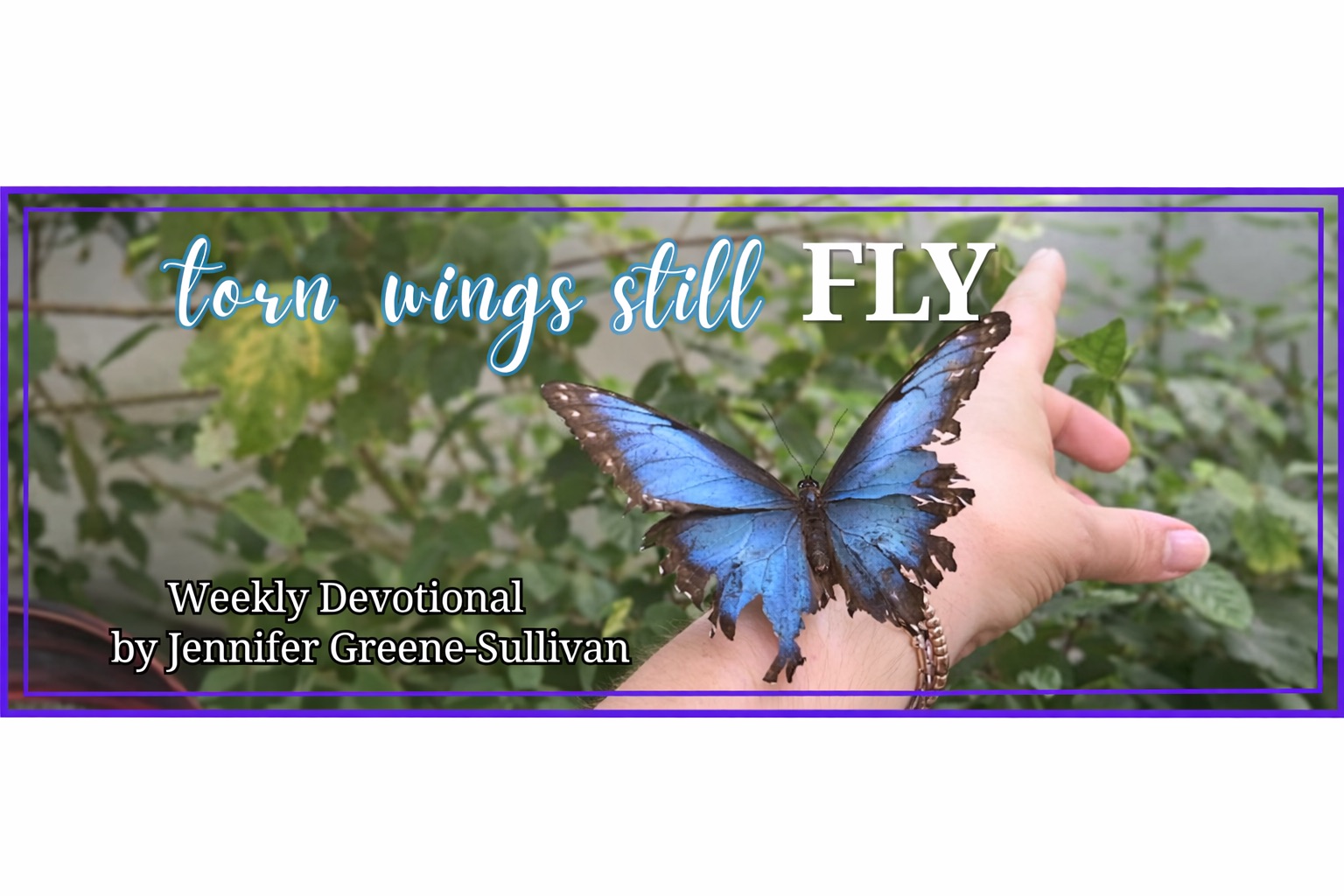
What a moment. What a blessing for a butterfly like me with torn wings to savor, to enjoy, and to give thanks for that Friday beside the Crooked River.
You may feel like your wings are dirty and torn, but you are still held in the hands of the One who sees clearly, who loves fully, and who finishes what He begins.
I would like to thank Ginger, Johnny, Vonda, Roger, and Brayley for including and loving our family.





Leave a Reply